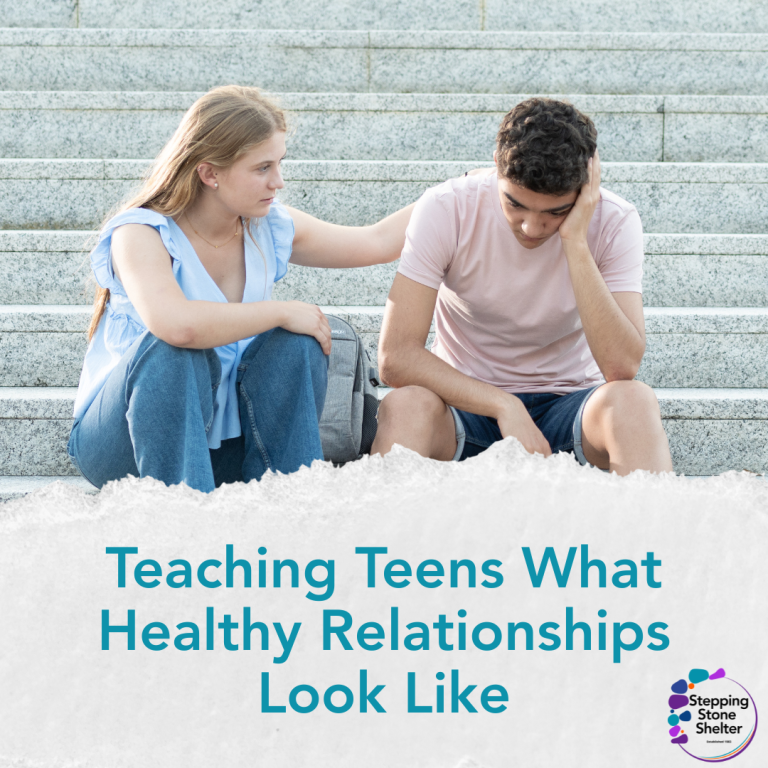
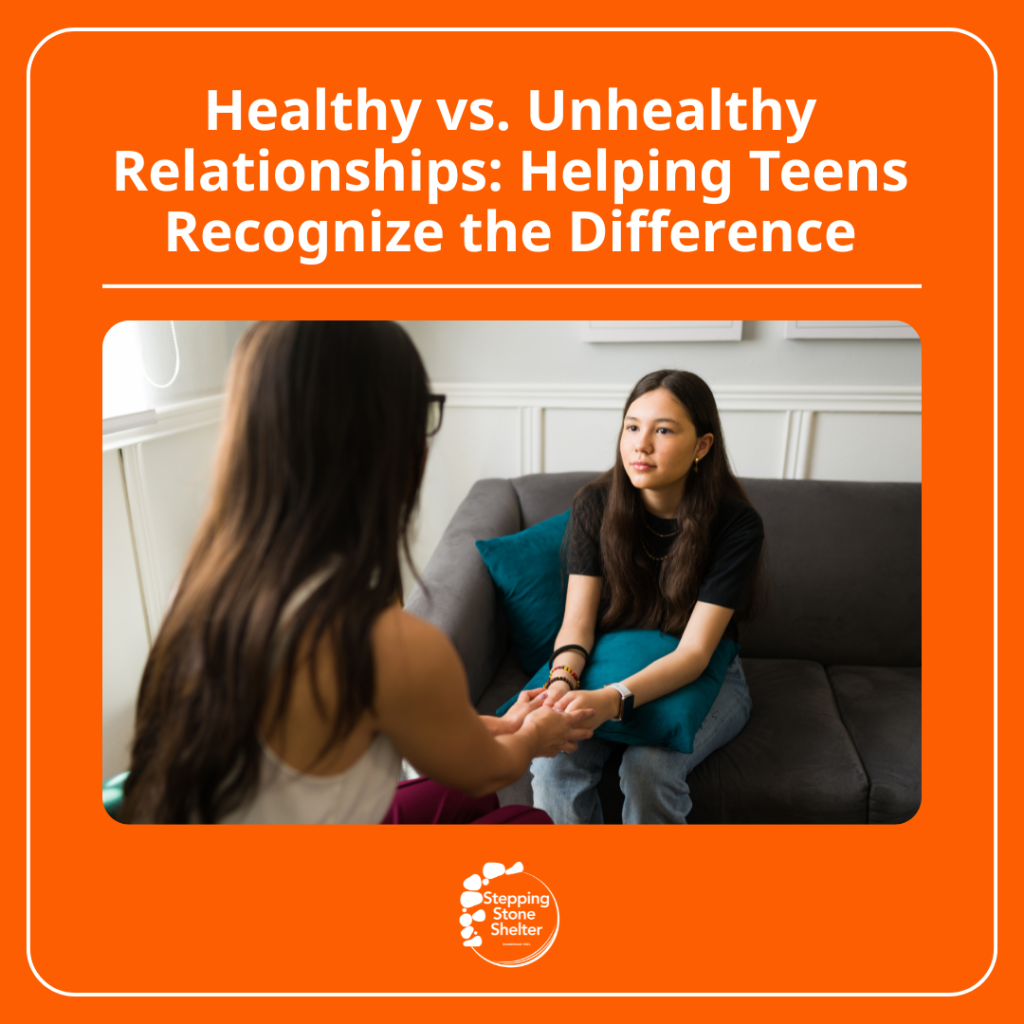
When teenagers begin dating, they experience many relationship milestones for the first time. As a new experience, it’s important to discuss what healthy habits and boundaries in relationships look like. Things like movies, social media, and even peer relationships can blur the lines between romance and what is unhealthy behavior. This can make it very difficult for young people to recognize warning signs, especially if it’s new to them.
Having a conversation with your teen about healthy relationship behaviors is important for this reason. Young people are better equipped to build a strong relationship and recognize behaviors that should never be accepted when they know what respect, trust, communication, and boundaries look like. Teaching these characteristics before unhealthy patterns develop is one of the most effective ways to prevent teen dating violence.
What Does A Healthy Relationship Look Like?
There is no such thing as a ‘perfect’ relationship, but there are a few things that establish a healthy one. A positive relationship is built on mutual respect and equality, with both partners feeling valued, heard, and supported. Some of the qualities to look for in a healthy relationship include:
- Trust: Healthy relationships aren’t built on constant suspicion or jealousy. Instead, partners trust one another and communicate openly when concerns arise.
- Respect: Both partners value each other’s opinions, boundaries, and individuality.
- Empathy and understanding: Healthy partners try to understand each other’s perspectives and show compassion during difficult moments.
- Independence: Dating shouldn’t mean giving up friendships, hobbies, goals, or personal interests. Healthy partners encourage each other’s growth rather than limiting it.
- Open and honest communication: Difficult conversations happen in every relationship, but healthy partners are honest, listen to each other, and work through disagreements respectfully.
- Compromise: Relationships involve give and take. Both people should feel like their needs and opinions matter.
- Healthy conflict resolution: Arguments happen, but disagreements should never involve insults, threats, or intimidation. Taking a break to cool down and returning to the conversation calmly is far more productive than escalating conflict.
What Does An Unhealthy Relationship Look Like?
Behavior that is unhealthy often starts subtly and becomes more controlling over time. Teens might even mistake jealousy and possessiveness for romance, or think that that behavior means someone cares about them deeply. In reality, these behaviors can be early signs of abuse. Some common unhealthy behaviors might look like:
- Frequent jealousy or attempts to isolate someone from friends and family.
- One partner constantly tells the other who they can spend time with, what they should wear, or how they should act.
- Insults, humiliation, or making fun of someone’s interests, appearance, or opinions.
- Any form of physical aggression, including grabbing, pushing, slapping, or hitting.
- Pressuring or forcing someone into any type of sexual activity without their clear and enthusiastic consent.
- Lying, manipulation, or hiding important information.
- Making someone feel responsible for another person’s emotions or threatening self-harm if the relationship ends.
- Using fear, intimidation, or threats to control another person’s behavior.
Join The Conversation
Preventing teen dating violence starts with education, and parents, caregivers, educators, coaches, and other trusted adults play an important role in shaping how teens view relationships. The more we understand and educate teens about the warning signs of unhealthy relationships, the better we can support the young people in our lives.
Join us for our next Community Conversation on Teen Dating Violence on Thursday, August 6th, at 6:00 p.m. at HealthLinc in Michigan City. This free event offers parents, caregivers, educators, and community members valuable tools to help teens build healthy relationships, recognize unhealthy behaviors, and create a future where every young person knows they deserve respect. Registration is required. Register here.