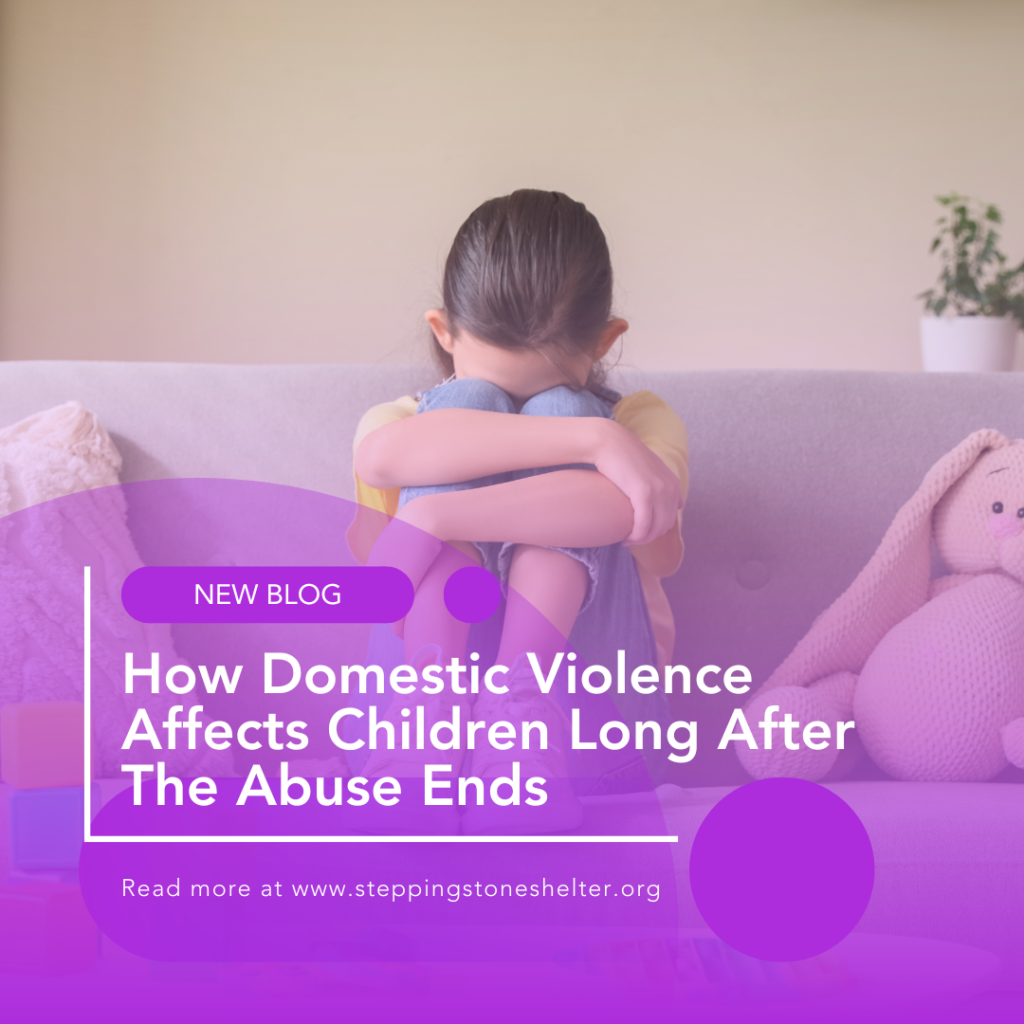
The impact of domestic violence doesn’t end when the abuse stops. When people think about domestic violence or intimate partner violence, the focus is often on the adults involved, particularly the survivor. While that attention is critical, it’s important to recognize the lasting impact abuse has on the children who witness or experience it. Each year, an estimated 3.3 million to 10 million children are exposed to domestic violence. Even if a child is never physically harmed, living in a home where abuse occurs can have lasting consequences that extend well into adolescence and adulthood.
How Children Are Affected
Millions of children are exposed to domestic violence each year. Research shows that many children who witness domestic violence also experience abuse themselves, placing them at an even greater risk for long-term emotional, behavioral, and developmental challenges. In either case, growing up in an environment filled with fear, instability, and control can shape how children see themselves, others, and the world around them.
At Stepping Stone Shelter, we know that healing involves the entire family. Understanding how domestic violence affects children is an important step toward breaking the cycle of abuse and helping young people build safe futures.
The Immediate Effects Can Be Significant
Living in a home where fear, intimidation, and violence are present can have an immediate impact on their emotional well-being and sense of safety.
A few short-term effects are:
- Anxiety and excessive worrying
- Trouble sleeping or recurring nightmares
- Difficulty paying attention
- Increased irritability or aggression
- Hyperactivity or restlessness
- Constant concern about the safety of a parent or family member
This behavior is not due to a child being ‘difficult’ or ‘acting out’, but rather, due to the emotional and mental impact that being in an abusive environment has. It is a survival response to chronic stress. Remaining constantly on high alert, anticipating conflict, and/or trying to predict abusive behavior can affect their emotional regulation.
The Effects Can Continue Into Adolescence and Adulthood
The emotional impact of domestic violence doesn’t disappear overnight or even after leaving an abusive situation. Research has found children exposed to domestic violence are at greater risk for depression, anxiety, low self-esteem, and post-traumatic stress symptoms later in life. Some continue to struggle with feelings of guilt, fear, or shame long after the abuse has ended.
Without support and intervention, the effects of childhood trauma can continue well into the teenage years and adulthood. Studies have consistently shown that children exposed to violence report significantly higher levels of depression and behavioral difficulties than children who grow up in homes free from violence. These experiences may show up in different ways in the teen years. Some withdraw socially or experience persistent sadness, while others express their pain through risky behaviors, substance use, aggression, or delinquency.
While these outcomes are not inevitable, they highlight why early intervention and ongoing support are so important.
Domestic Violence Can Affect Every Part of a Child’s Life
Experiencing domestic violence may affect other areas of a child’s life. The impact often extends beyond emotional health and influences nearly every aspect of a child’s development. For example, children living with or recovering from domestic violence may struggle to concentrate, retain information, or complete assignments in a classroom setting. Stress affects the brain’s ability to focus and process new information, making school feel overwhelming. Some children also experience delays in verbal, motor, or social development, making school an even greater challenge.
Another effect of domestic violence is the way children and adolescents view romantic relationships. When violence, intimidation, manipulation, or control become part of everyday life, children may begin to see those behaviors as normal. They may come to believe that love and fear exist together, that conflict is solved through aggression, or that one person should have power over another. These beliefs can influence future friendships, relationships, and family dynamics.
We Can Help Break the Cycle
Domestic violence can impact entire families and leave lasting emotional wounds for children. If you or someone you know is experiencing domestic violence, help is available. Stepping Stone Shelter provides safe housing, advocacy, support services, and resources for survivors and their children. Every child deserves to grow up in a home where they feel safe, valued, and loved, and every family deserves the opportunity to heal.