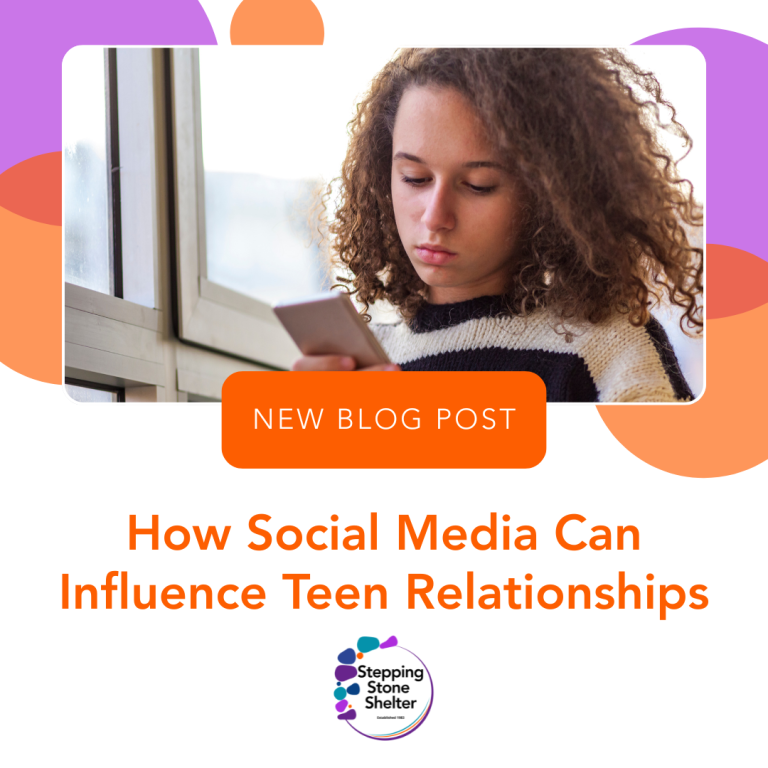
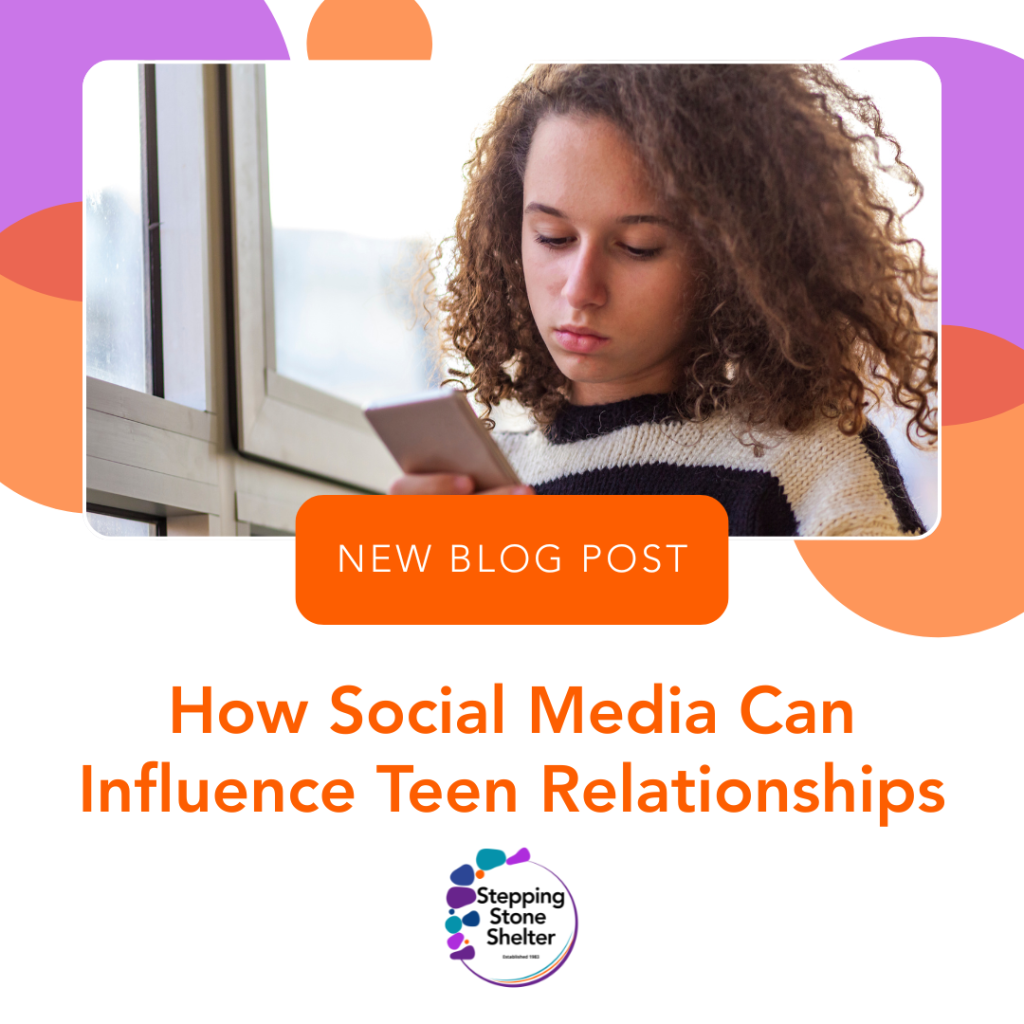
For teenagers, social media is more than just a means of communicating with each other; it’s where relationships begin, conversations happen, milestones are shared, and memories are documented. It can be great for making connections and communicating, but it can also introduce obstacles and affect how young people view and experience dating relationships. Understanding the role social media plays in these relationships can help parents, trusted adults, caregivers, and teens recognize unhealthy behaviors.
When Healthy Communication Becomes Constant Monitoring
A challenge that accompanies teen dating and social media is the expectation to always be available. Features such as read receipts, location sharing, and messaging apps create pressure to respond immediately. Some partners may be upset if their partner doesn’t respond right away, or even begin to question why they didn’t get a response if someone was active without messaging back. These expectations can easily shift from communication to control.
In healthy relationships, partners respect that their partner has responsibilities, hobbies, schoolwork, and personal space. There should never be guilt about putting away your phone or taking time for yourself.
How To Recognize Controlling Behaviors
Technology may lead to unhealthy behavior in teen relationships, such as:
- Demanding the sharing of passwords
- Reading personal conversations or text messages
- Requiring location sharing
- Monitoring social media comments, likes, and followers
- Repeatedly checking in to know where someone is, or pressuring their partner to remove certain people as followers
Comparing Online Relationships
Social media may create unrealistic expectations of what a relationship should look like. Teenagers may compare their relationships to photos, videos, and posts they see online. They might even feel pressured to post constantly about their relationship, share personal moments publicly, measure their relationship by the amount of engagement, or stay in a relationship to maintain an online image.
Pressure and Humiliation
Social media can easily become a tool for emotional abuse, and partners may use it to post intimate photos/videos without permission, share messages, make hurtful comments publicly, make a partner jealous, or threaten their partner.
This behavior is unhealthy, and emotional abuse can make teens feel depressed, isolated, or afraid to ask for help.
Help Your Teen Build A Healthy Relationship
It is so important to create a safe, judgment-free environment for teens to seek support. Healthy relationships are built on honesty, support, and respect for boundaries, whether the relationship is in person or online.
Join us for our next Community Conversation on Teen Dating Violence on Thursday, August 6th, at 6:00 p.m. at HealthLinc in Michigan City. This free event offers parents, caregivers, educators, and community members valuable tools to support teens in building healthy relationships, recognizing unhealthy behaviors, and creating a future where every young person knows they deserve respect.