When most people think of abuse in relationships, they often think of physical violence. However, abuse isn’t always visible. Many survivors experience coercive control, a pattern of psychological manipulation and pressure used to control another person. This can include intimidation, isolation, emotional manipulation, threats, guilt, love bombing, or pressuring someone into sexual activity.
For teens who are still learning what a healthy relationship should look like, coercive control can be hard to recognize. Many forms of teen dating violence start with behaviors that seem harmless. Understanding coercive control is essential for helping young people recognize unhealthy dating dynamics.
What Is Coercive Control?
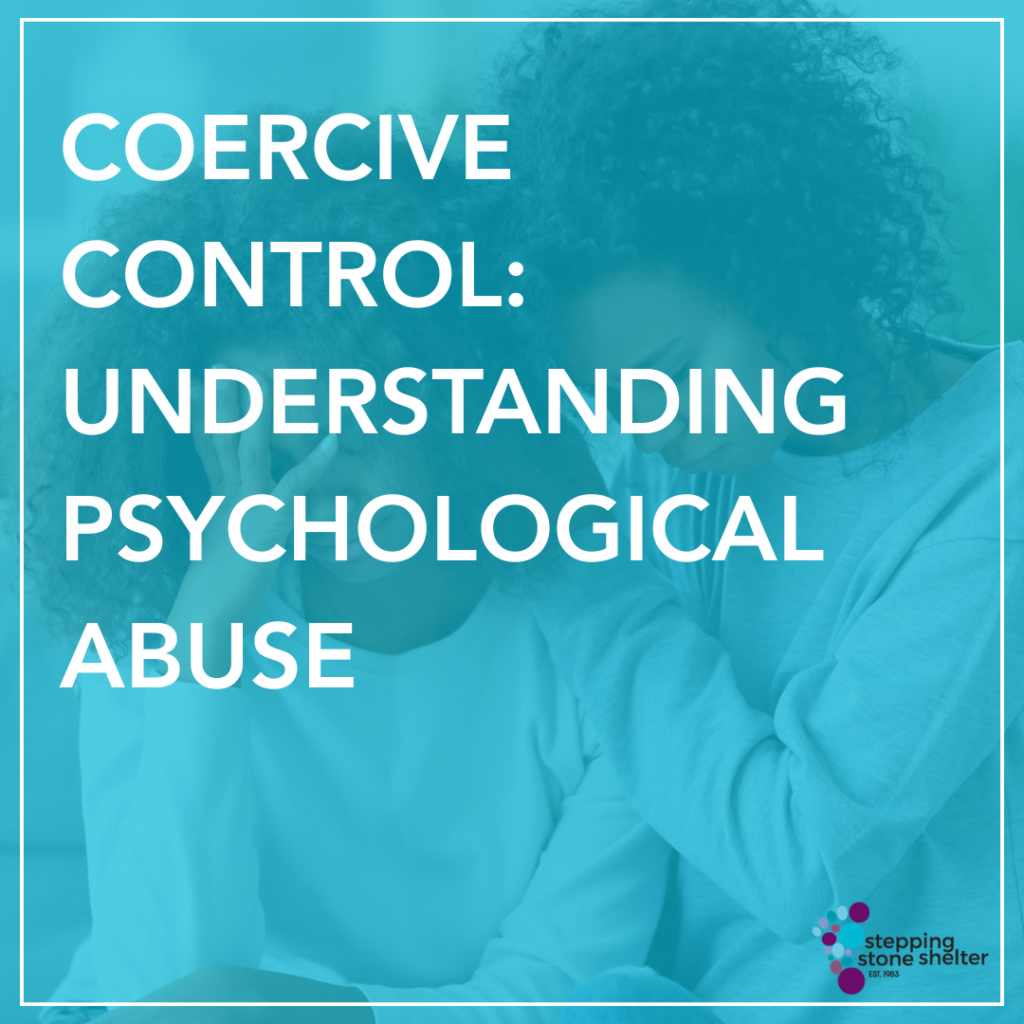
Coercive control is a pattern of behaviors that an individual uses to gain power over a partner, using psychological, emotional, or sexual manipulation. These behaviors can include:
- Monitoring a partner’s phone
- Isolating a survivor from friends or family
- Gaslighting or blaming the survivor
- Threatening to break up with the survivor, harm themselves, or share private information
- Pressuring or guilting them into sexual activity
What Is Sexual Coercion?
One form of coercive control is sexual coercion. Sexual coercion includes unwanted sexual contact due to verbal pressure, alcohol, drugs, or physical force. This unwanted activity can result from being pressured, tricked, threatened, or otherwise forced in a nonphysical way. Coercion can make you think that you owe sex to someone, and it is often from someone who has power over you. This could be a partner, teacher, landlord, or boss. It’s important to know that no person is ever required to have sex with someone else. In a relationship, sexual coercion can look like repeated pressure for sex, guilt-tripping, manipulation, or ignoring a partner’s boundaries.
How Does This Affect Teenagers?
Teenagers can be especially vulnerable to coercive control. Adolescence is a time when many people experience their first romantic relationships. This can be exciting, but also hard.
Teenagers are still learning about healthy communication, boundaries, and consent, and as a result, they may have difficulty standing up to pressure. Adolescents are still developing the skills needed to navigate romantic relationships. The consequences of experiencing teen dating violence and coercive sexual experiences can be significant. Teens may experience depression, anxiety, or even post-traumatic stress.
Signs Of Coercive Control In Relationships
Coercive control typically begins subtly and escalates. These patterns are intended to exert power or control over the survivor. Some red flags to look out for include:
- Isolating you from friends or family
- Controlling what you eat, wear, or do
- Gaslighting
- Lovebombing
- Tracking your location
- Controlling finances
- Threatening, guilting, or intimidating you
- Using private information or intimate pictures as blackmail
- Humiliating or degrading you
- Making you feel fearful or scared if you don’t comply
Emotional manipulation can look like guilt-tripping, blaming, or gaslighting a partner. Some common phrases include:
- “If you love me, you would do this.”
- “You’re the reason I’m upset.”
- “You’re making me jealous on purpose.”
How To Support Survivors
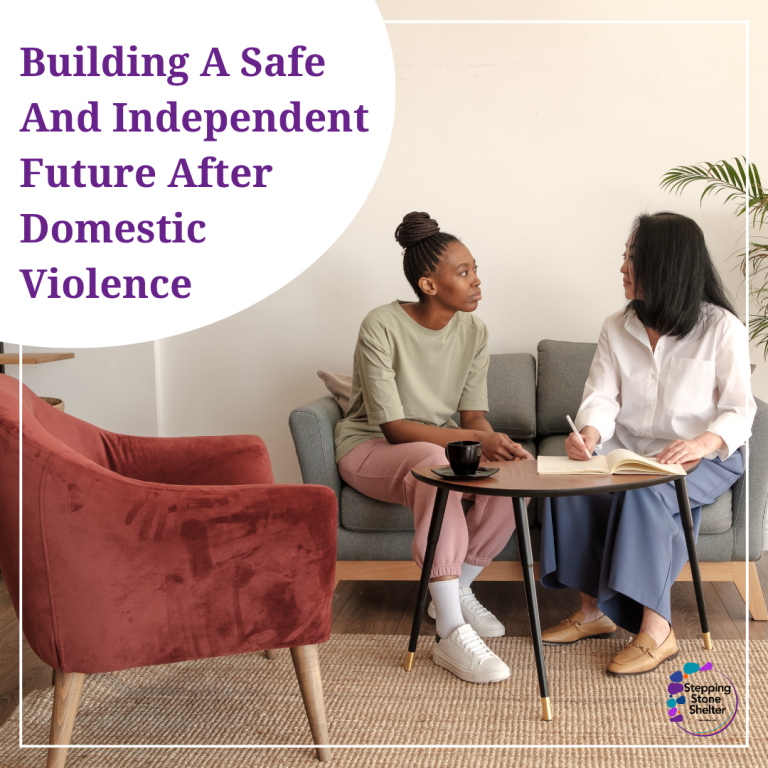
If you want to support a survivor experiencing coercive control, it’s helpful to listen without judgment, validate their experience, and encourage them to find support. Healthy relationships should include mutual respect, clear communication, and consent. Let the survivor know that they deserve respect and safety in their relationship.
Understanding Healthy Relationships
Preventing coercive control starts with education, especially for teens. Educating young people about consent, boundaries, and respect helps them understand what a healthy relationship should look like and what red flags to look out for. Having open and honest conversations about coercion, manipulation, and boundaries is key, and recognizing the signs of coercive control can help create safer relationships.