April is Sexual Assault Awareness Month. This month, we highlight the work we do every day: supporting survivors, creating safe spaces, and helping individuals rebuild a sense of autonomy and dignity. This month is an opportunity to broaden the community’s understanding of sexual assault, consent, coercion, trauma, and how to support survivors. We are using our platform this month to raise awareness of this issue because this story belongs to everyone in our community, and we know that education is essential to prevention and healing.
What Is Sexual Assault?
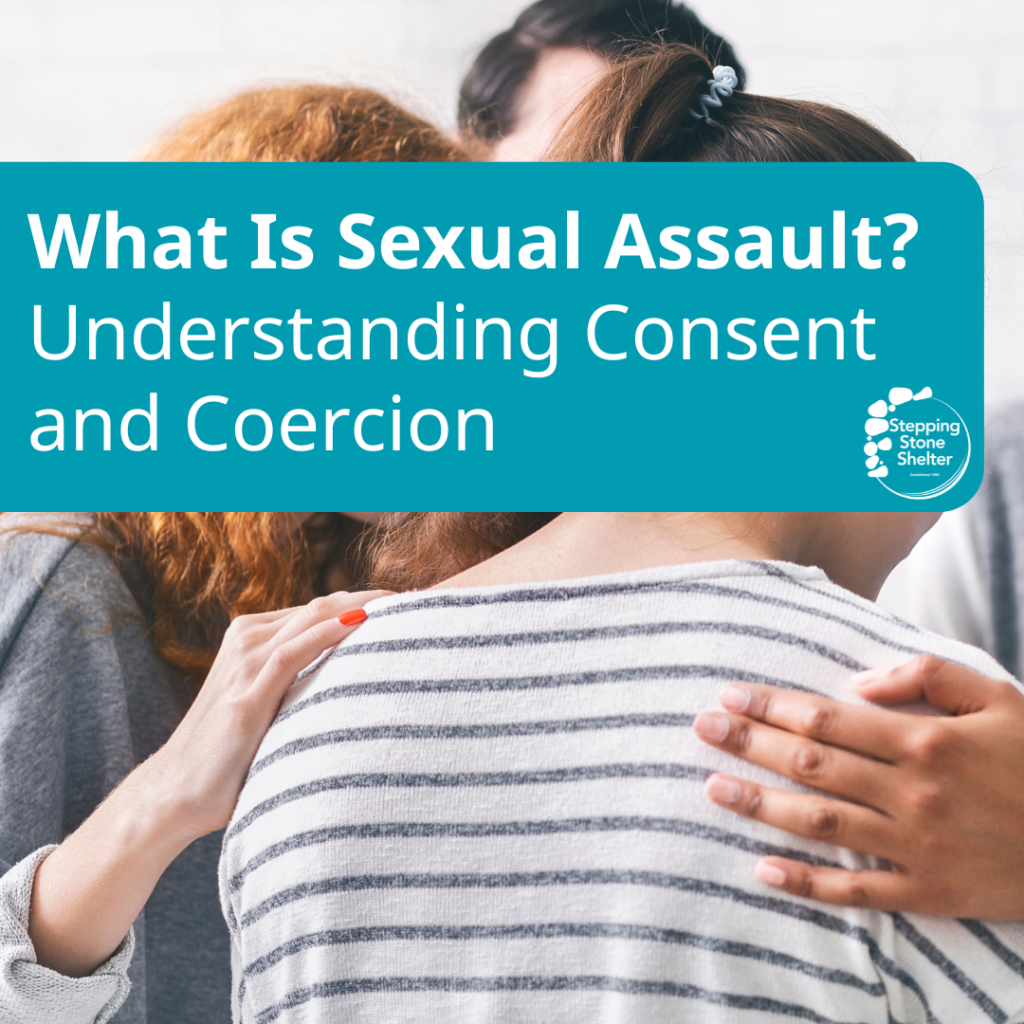
Sexual assault is any intimate contact or behavior that occurs without the explicit, freely given consent of the recipient, involving force, coercion, manipulation, or incapacity. This includes, but is not limited to, rape, forced kissing, groping, or touching of intimate body parts, and can be committed by anyone regardless of relationship to the victim.
When this might occur:
- Lack of Consent: A sex act occurs without explicit consent from all parties.
- Incapacity: A victim is unable to give consent due to age, disability, or being under the influence of drugs/alcohol.
- Coercion/Force: Force, violence, and threats are used to coerce a sex act.
What Is Consent?
Many survivors of sexual assault are unsure if their experience “counts”. This uncertainty often stems from the narrow definition of consent. In an intimate setting, consent is not simply the absence of a “no”. It’s a clear, enthusiastic, and ongoing “yes”. Consent must be given without pressure, fear, or manipulation. Consent can be withdrawn at any time.
What Is Coercion?
It is important to understand that sexual assault isn’t always someone being physically forced. Being worn down by pressure, guilt, or fear happens often and does not constitute consent. Coercion comes in many forms, like repeated requests, threats, emotional manipulation, or leveraging power or control. If you didn’t feel free or safe to choose, it was not truly consensual.
The Importance of Education
Education about sexual assault, consent, and coercion is essential to building safer communities. When we take the time to understand what true consent looks like and recognize the forms coercion can take, we are better equipped to support survivors and take a meaningful step towards prevention as a community. Education empowers us to challenge harmful behaviors, speak up when something isn’t right, and advocate for survivors.
A Safe Space For Survivors
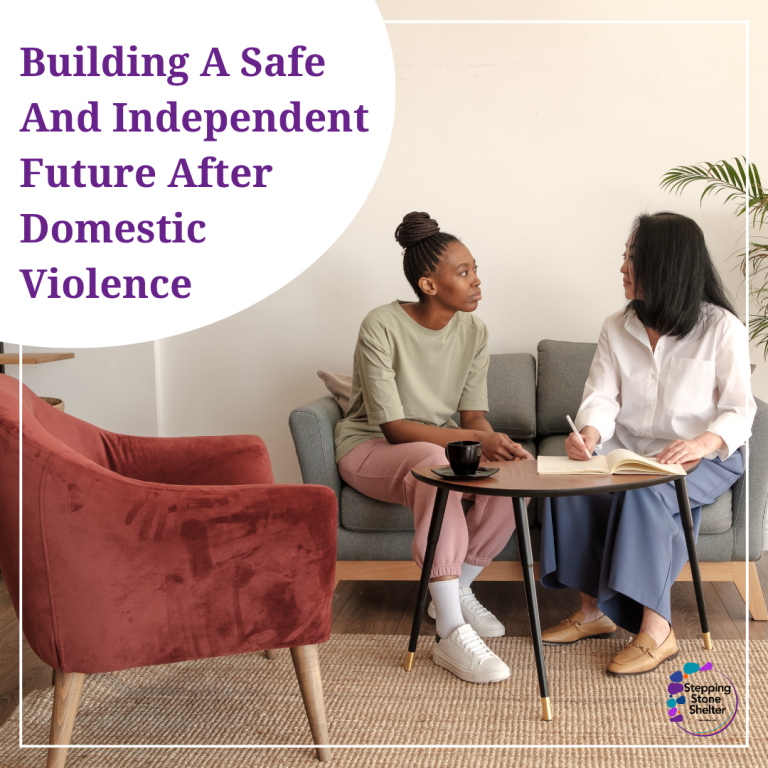
Our role as a shelter is not to define someone’s experience for them, but to listen, believe, and support survivors. At Stepping Stone Shelter, we are committed to providing support to victims of domestic violence and sexual assault through access to professionally trained victim advocates who will support you throughout your healing journey. We work to empower survivors and rebuild their lives.
Moving Forward Together
Sexual Assault Awareness Month is an opportunity for all of us to listen without judgment and create environments where survivors feel safe. We invite you to pull up a seat at our table because this conversation belongs to everyone. Education is key in prevention. By understanding consent, coercion, and supporting survivors, we can shift the culture that allows violence to persist. We want survivors to know that you are not alone. If you or someone you know needs help, we are available. You can call our 24-hour crisis line at 219-879-4615 or visit our website here.